
Learning Approach
Education Beyond the Classroom
Our learning model helps students become confident learners, independent thinkers, effective communicators, and future leaders through active practice, reflection, collaboration, and meaningful challenge.
Learn ActivelyThink CriticallyGrow Confidently
Learning cycle01—04
How students grow
Explore Ideas
Solve Problems
Collaborate with Others
Our educational philosophy
Students learn best when they are active participants.
Rather than memorizing information, students build understanding by testing ideas, explaining thinking, receiving feedback, and applying knowledge in new situations.

01 · Ask Questions02 · Explore Ideas03 · Solve Problems04 · Collaborate with Others05 · Apply Knowledge
LANGUAGE+ACADEMICS
Language + academics
More than language instruction.
Traditional language study can stop at vocabulary and grammar. Our approach integrates language development with academic reading, writing, discussion, research, and the habits students need for university and life.
Language for LearningLanguage for UniversityLanguage for Life
Learning through practice
Knowledge becomes skill through application.
Every format asks students to use what they know, explain decisions, learn from others, and improve through feedback.
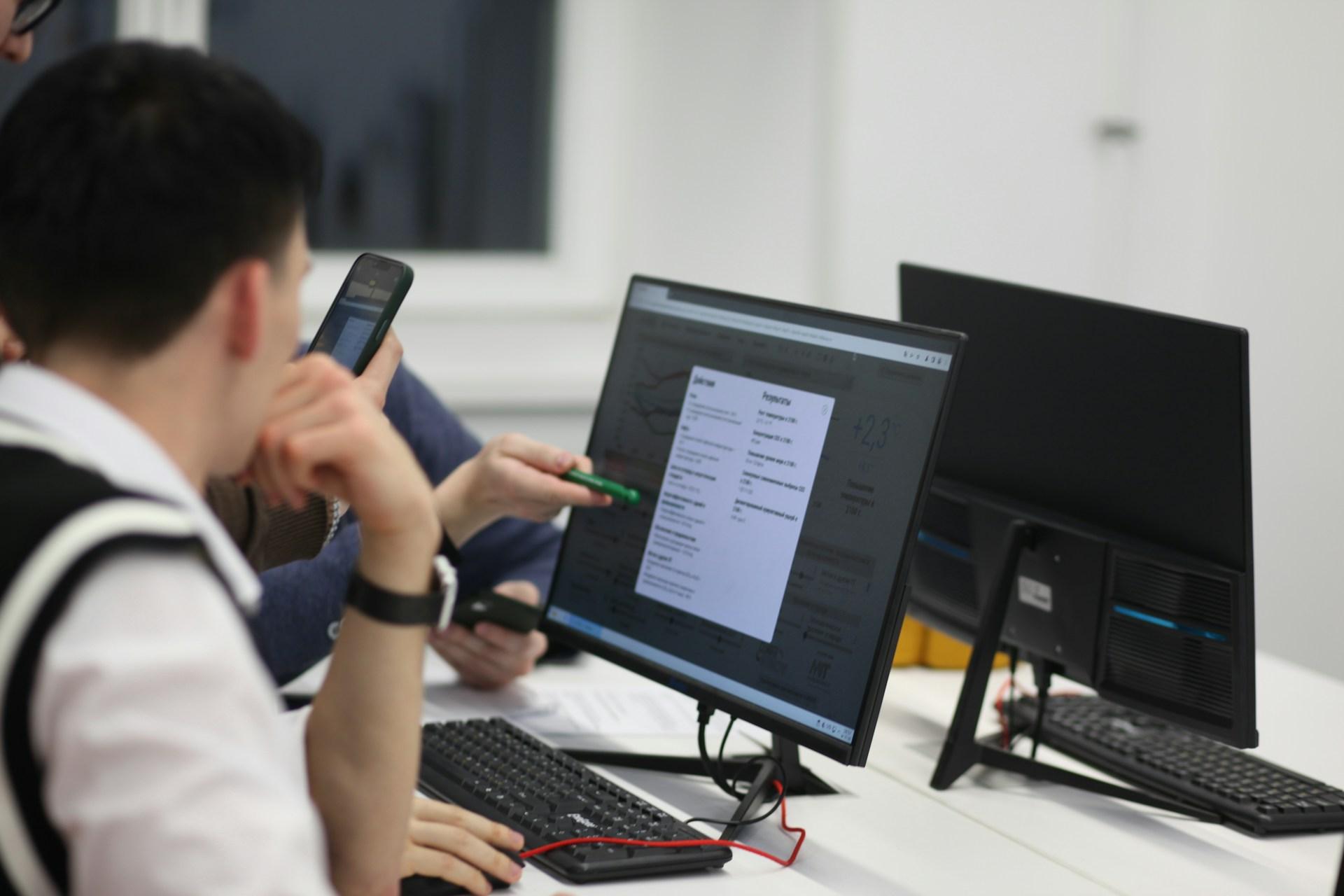
Discussions
Exchange ideas, question assumptions, listen actively, and build arguments in real time.
Presentations
Organize evidence, communicate clearly, respond to questions, and grow public confidence.
Projects
Apply knowledge to meaningful challenges with goals, roles, timelines, and visible outcomes.
Research activities
Form questions, find credible sources, analyze evidence, and communicate responsible conclusions.
Collaborative learning
Learn with and from peers through teamwork, feedback, negotiation, and shared accountability.
Academic skills development
Prepare directly for university expectations.
Students repeatedly practise six capabilities that transfer across disciplines.
01Academic Writing
02Critical Thinking
03Research Competence
04Time Management
05Independent Learning
06Problem Solving
Personalized learning support
Every student has a different starting point and destination.
Individual attention and clear evidence of progress help students understand what they can already do, what comes next, and how to improve.

Individual attention
Academic advising
Goals, program choices, learning plans, and future pathways stay connected.
Individual attention
Instructors notice participation, patterns, strengths, and barriers.
Academic advising
Goals, program choices, learning plans, and future pathways stay connected.
Continuous feedback
Specific, timely guidance turns performance into actionable next steps.
Goal setting
Students define realistic milestones and understand the work required.
Progress monitoring
Assessment, reflection, and advising make growth visible over time.
Small-class experience
Learning grows through meaningful interaction.
Small groups make it possible for every student to participate, receive feedback, ask questions, and develop confidence through repeated practice.
Learn TogetherGrow TogetherSucceed Together
01 · Greater Participation02 · Meaningful Interaction03 · Individual Support04 · Active Communication05 · Stronger Learning Outcomes
Developing future leaders
Education for a changing world.
Future success requires more than knowledge. Students need the character and transferable abilities to communicate, adapt, collaborate, and act with global awareness.
Leadership
Take initiative, listen, influence responsibly, and help others move toward shared goals.
Adaptability
Respond constructively to new information, environments, expectations, and uncertainty.
Communication
Express ideas clearly and adjust tone, language, and format for different audiences.
Collaboration
Work across differences, exchange feedback, and share responsibility for outcomes.
Global awareness
Understand how culture, systems, and international realities shape decisions.
Our student success model
A structured pathway from communication to global citizenship.
Each stage develops the capability and confidence required for what follows.
01Language Development
02Academic Preparation
03University Readiness
04Higher Education Success
05Professional Growth
06Global Citizenship
The difference
Why Students Choose the International Language & Pathway Center
We design education around the whole student journey—not only the next test or assignment.
We do not simply teach language. We prepare students for university.
We do not simply deliver courses. We develop future learners, professionals, and leaders.
We do not focus only on academic outcomes. We support the whole student experience.
Education that InspiresLearning that TransformsSuccess that Lasts